
November 12, 2026
Diabetes Awareness Month: Know the Signs, Know Your Risk
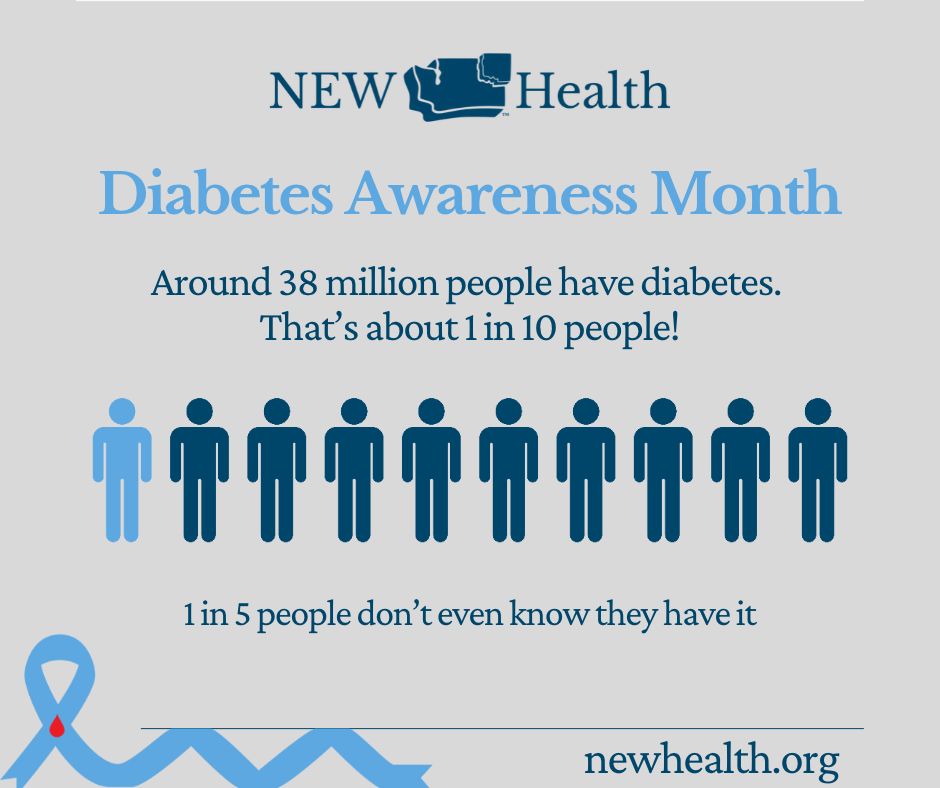
November is Diabetes Awareness Month, a time to learn more about diabetes, recognize the warning signs, and take steps toward better health.
Diabetes is a chronic condition that affects how your body uses glucose (blood sugar), your body’s main source of energy. When blood sugar levels remain too high for too long, serious health complications can develop, including heart disease, kidney disease, vision problems, and nerve damage.
Understanding Diabetes
The two most common types of diabetes are:
Type 1 Diabetes
- An autoimmune condition where the body does not make insulin.
- Often develops in children and young adults but can occur at any age.
- Requires daily insulin therapy.
Type 2 Diabetes
- The most common form of diabetes.
- Occurs when the body does not use insulin effectively or does not make enough insulin.
- Often develops gradually, sometimes with few noticeable symptoms.
Know the Warning Signs
Both Type 1 and Type 2 diabetes can have similar symptoms, including:
- Frequent urination
- Increased thirst
- Increased hunger
- Fatigue or feeling unusually tired
- Blurry vision
- Unexplained weight loss
- Frequent infections
- Cuts or sores that heal slowly
Because symptoms can develop slowly, many people do not realize they have diabetes until complications begin to appear.
What Is Prediabetes?
Prediabetes occurs when blood sugar levels are higher than normal but not yet high enough for a Type 2 diabetes diagnosis.
The good news? Prediabetes can often be reversed through healthy lifestyle changes. Many people have prediabetes without knowing it, which makes regular screenings especially important.
Risk Factors for Type 2 Diabetes
You may be at increased risk if you:
- Have a family history of Type 2 diabetes
- Are age 45 or older
- Are overweight or obese
- Have high blood pressure
- Had gestational diabetes during pregnancy
- Are physically inactive
Small Changes Can Make a Big Difference
Whether you’re working to prevent diabetes or manage an existing diagnosis, these healthy habits can help:
- Choose nutritious foods, including fruits, vegetables, lean proteins, and whole grains
- Be physically active most days of the week
- Maintain a healthy weight
- Follow your provider’s recommendations for screenings and blood sugar monitoring
- Take medications exactly as prescribed
- Attend routine medical appointments
We’re Here to Help
At NEW Health, we believe prevention, education, and early detection are key to living a healthier life. Our providers can help you understand your risk, provide screenings, and create a personalized plan to manage or prevent diabetes.
Call today to schedule an appointment: 509-935-6004
Find a NEW Health location near you: https://newhealth.org/locations/
Your health matters. This Diabetes Awareness Month, take a moment to learn the signs, know your risk, and make your health a priority.
Learn more about diabetes at CDC.gov



Diabetes Awareness Month: Know the Signs, Know Your Risk
Diabetes Awareness Month: Know the Signs, Know Your Risk November is Diabetes Awareness Month, a time to learn more about diabetes, recognize the warning signs, and take steps toward better health. Diabetes is a chronic condition that affects how your body uses glucose (blood sugar), your body’s main source of energy. When blood sugar levels…